Derby cockfighting represents one of the most culturally ingrained sporting traditions across the Philippine archipelago. With the evolution of digital gaming infrastructure, traditional cockpit derbies have transitioned into real-time interactive sportsbooks where enthusiasts can analyze match parameters, evaluate conditioning profiles, and place wagers through high-definition live video feeds. Within the gaming catalog, the platform provides dedicated live-streamed derby matches featuring transparent odds calculations, fast settlement protocols, and direct integration with local Philippine banking tools like GCash and Maya.
Whether you are accustomed to the lively noise of a physical provincial gallera or exploring virtual cockfighting for the first time, understanding the mechanics of digital sabong requires mastering odds structures, house commissions (plada), match classifications, and bird conditioning assessments. This comprehensive guide breaks down the core fundamentals of virtual sabong on the portal, giving you the practical knowledge needed to bet responsibly and protect your gaming capital.
The Historical Evolution of Sabong to Digital Platforms
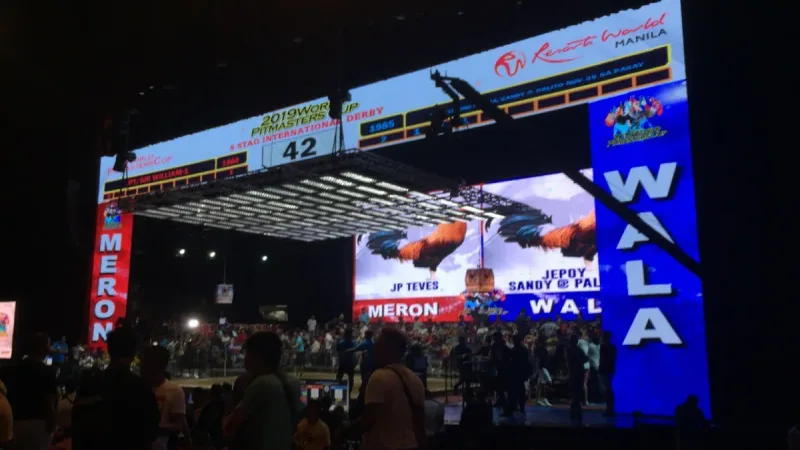
Cockfighting in the Philippines traces its origins back centuries, predating Spanish colonization as chronicled in Antonio Pigafetta's voyages in 1521. For generations, the sport functioned as both a community ritual during fiesta celebrations and a high-stakes competitive pursuit governed by strict honor codes. Matches were orchestrated by local handlers (soltador) and referee judges (sentensyador), while physical wagers were coordinated through complex hand signals executed by pit brokers known as kristos.
The modernization of digital telecommunications and regulatory compliance under Philippine authorities, notably through guidelines established by PAGCOR, enabled licensed operators to broadcast sanctioned derbies across digital streaming channels. Digital sabong eliminates the geographical barriers of rural cockpits, allowing players in Metro Manila, Cebu, and Davao to observe regulated derby events in real time. The integration of transparent digital ledger accounting ensures that winning payouts calculate instantly without disputes over physical hand-signal pledges.
Core Match Architecture: Meron, Wala, and Draw Outcomes
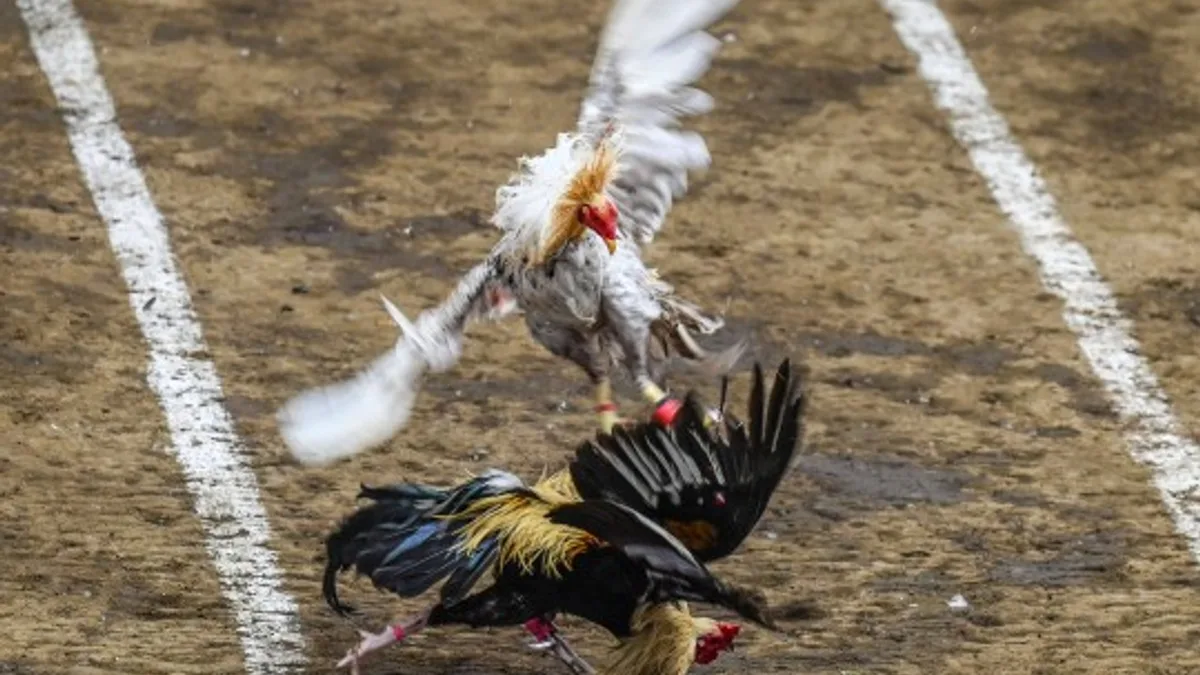
Every sabong bout hosted on the portal matches two gamecocks equipped with specially crafted steel gaffs (tari) bound to their left legs. Bettors choose between three distinct betting propositions prior to the release of the birds into the ring:
The Meron Selection
The Meron represents the perceived favorite in the match. Historically named after the patron or prominent gamecock breeder who occupied the favored corner of the cockpit, the Meron typically boasts superior breeding pedigree, stronger recent fight records, or physical advantages in conditioning and plumage. Because more public money generally flows toward the favorite, Meron odds offer slightly lower payout multiples compared to the underdog. A standard Meron payout might yield between 1.75x and 1.90x your original stake, depending on market liquidity and pre-match pool allocations.
The Wala Selection
The Wala designates the underdog or challenger. Translated literally from Tagalog as "none" or "without" (signifying the side without an established championship reputation), the Wala attracts bettors seeking higher risk-adjusted payouts. If an underdog demonstrates resilient defensive posture or lands an unexpected counter-strike during the exchange, a winning Wala wager pays out at significantly higher multiples, typically ranging between 1.95x and 2.25x your wagered amount.
Draw Categories: BDD and FTW
While the vast majority of derby bouts conclude with a decisive victory for either Meron or Wala, certain matches end without a clear winner. Virtual platforms categorize draw outcomes into two specific classifications:
- Both Die Draw (BDD): If both roosters suffer fatal injuries simultaneously during the combat exchange and neither bird can execute the sentensyador's required double-peck test, the match is ruled a Both Die Draw. Wagers placed on BDD payout at lucrative fixed odds, frequently reaching 8.00x (8:1). If a match concludes as a BDD, all conventional wagers placed on Meron and Wala are fully refunded back to the player's balance.
- Full Time Will (FTW): Derby matches operate with a strict maximum time window, usually capped at 10 minutes. If both birds remain active, defensive, or disengaged when the official match timer expires without a submission or fatality, the referee rules a Full Time Draw. Unlike BDD, bets placed on Meron or Wala in an FTW scenario are typically deemed losing wagers or handled according to specific tournament derby house rules, while specialized draw wagers yield enhanced returns.
Decoding Odds Formats and the House Plada
Understanding how payouts calculate in digital sabong requires grasping the concept of the plada, which is the standard operational commission collected by tournament organizers to cover venue maintenance, referee licensing, and platform infrastructure.
In traditional brick-and-mortar galleras, plada typically ranges between 7.5% and 10% deducted from the winning side's gross profit. In regulated digital environments, the commission is seamlessly factored into the displayed odds multipliers before bets lock:
| Match Category | Implied Probability | Typical Net Payout Multiple | Profit on ₱1,000 Wager |
|---|---|---|---|
| Heavy Favorite Meron | 58% - 62% | 1.70x - 1.80x | ₱700 - ₱800 |
| Balanced Meron | 52% - 55% | 1.85x - 1.92x | ₱850 - ₱920 |
| Even Match Wala | 45% - 48% | 1.95x - 2.05x | ₱950 - ₱1,050 |
| Longshot Wala | 38% - 42% | 2.10x - 2.30x | ₱1,100 - ₱1,300 |
| Both Die Draw (BDD) | 3% - 5% | 8.00x | ₱7,000 |
When betting online, the digital slip displays your exact potential return prior to bet confirmation. This transparency eliminates the ambiguity historically associated with verbal cockpit agreements.
Physical Conditioning and Pre-Fight Assessment Factors
Experienced sabong analysts rarely place bets blindly based on name recognition alone. Before placing a wager during the pre-fight presentation window, consider the following biological and behavioral indicators visible on the high-definition stream:
Plumage and Feathers Condition
A rooster's feathers serve as both armor and aerodynamic control during airborne clashes. Look for sleek, tight plumage with a brilliant natural sheen, which indicates optimal dietary nutrition, vitamins, and mineral conditioning. Dull, broken, or fluffed feathers often suggest recent illness, dehydration, or substandard transit conditions from provincial farm facilities.
Leg Stance and Agility
Observe how the bird stands when held by the handler in the pit. A prime gamecock maintains a low, balanced center of gravity with active footwork and alert claws. Birds that lean heavily on one leg or exhibit sluggish responsiveness to the opposing bird's vocal challenges may be carrying undetected muscular fatigue or ligament strain.
Head and Comb Vitality
The comb and wattles of a healthy fighting cock should display a vibrant, deep crimson hue. Pale, dry, or purplish combs can signal respiratory distress, circulatory fatigue, or elevated stress levels caused by arena temperature fluctuations. An alert, aggressive gaze fixed steadily on the opponent indicates high focus and readiness for combat.
Breeder and Handler Pedigree
In competitive derby circuits, the track record of the conditioning farm carries immense weight. Elite bloodlines—such as Sweater, Roundhead, Kelso, Claret, and Hatch strains—exhibit distinct fighting styles. Sweaters and Roundheads tend to dominate high-flying aerial exchanges, while Kelsos and Clarets excel at intelligent ground infighting and tactical defensive counters.
Practical Betting Strategies and Capital Control
Because derby outcomes can conclude in mere seconds once the blades connect, maintaining rigorous capital discipline is vital for long-term enjoyment.
The Proportional Flat-Betting Model
Never risk a large percentage of your total bankroll on a single match, regardless of how heavily favored the Meron appears. A single errant strike from an underdog's blade can end the bout instantaneously. Limit each individual match wager to a strict 2% to 4% of your total available gaming funds. If your bankroll is ₱5,000, your base wager should remain between ₱100 and ₱200 per fight.
Identifying Underdog Value in Balanced Derbies
The general betting public exhibits a strong psychological bias toward Meron entries, frequently driving favorite odds lower than the statistical reality warrants. When two birds possess virtually identical weights, blade lengths, and conditioning records, backing the Wala at odds of 2.05x or higher offers superior expected value over large sample sizes.
Avoiding the Draw Trap
While an 8.00x payout on a Both Die Draw looks enticing, statistical analysis reveals that BDDs occur in fewer than 4% of sanctioned competitive bouts. Treating draw bets as a regular betting strategy quickly erodes player balances. Reserve draw bets for minor recreational stakes rather than core betting strategies.
Responsible Gaming Standards and Player Safeguards
Wagering on live sports and derby events should always remain a thrilling form of recreation rather than a mechanism for generating income. Set firm daily loss ceilings before opening your first live stream. If you exhaust your designated entertainment budget for the session, close the portal immediately and refrain from making additional deposits to chase losses.
For individuals seeking professional guidance regarding compulsive betting habits, certified support organizations such as Gamblers Anonymous provide confidential assistance and counseling resources. Staying in complete control of your finances ensures that your gaming activities remain safe, transparent, and enjoyable.